
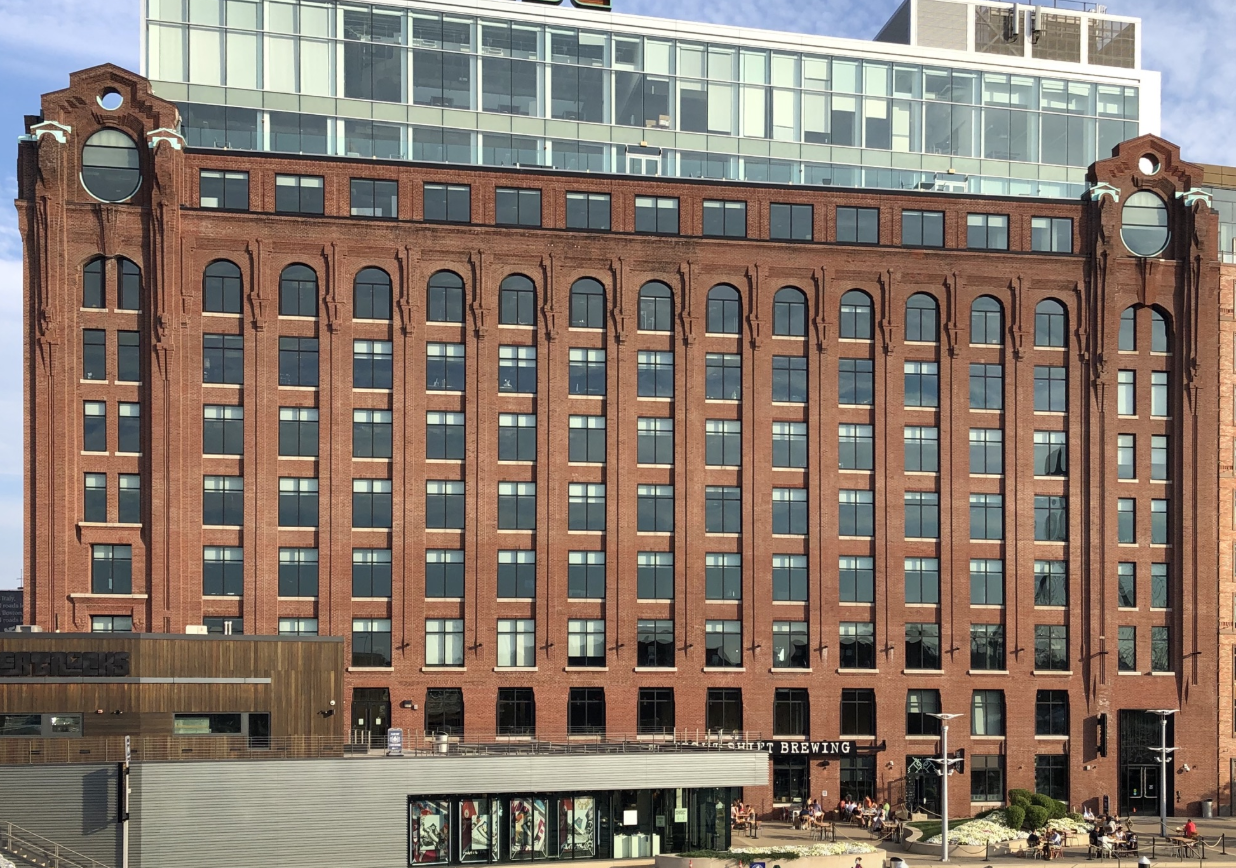
Schrafffts Candy Factory
It All Begins Here
Schrafft's Chocolate
This company had a fascinating journey that transformed a small Boston confectionery into a global industrial giant and a cultural touchstone of 20th-century American life.
The Sweet Origins and Civil War Innovation
The business began in 1861 when Bavarian confectioner William F. Schrafft opened a small candy-making shop in Boston.
He focused on high-quality chocolates, hard candies, and gumdrops.
The Jelly Bean Pioneer: Schrafft’s is widely credited with popularizing the modern jelly bean in the United States. During the Civil War, William Schrafft aggressively marketed his new, durable round candies, encouraging citizens to buy them and mail them to Union soldiers on the front lines as a sweet, long-lasting morale booster.
The Shattuck Partnership: In the late 1890s, a brilliant traveling salesman named Frank G. Shattuck teamed up with Schrafft. While the Schrafft family focused on manufacturing the chocolate in Boston, the Shattucks opened elegant retail candy shops in New York to sell them.
The Massive Charlestown Factory
By the 1920s, demand was so massive that the company built the sprawling, 1.2 million-square-foot Art Deco factory at 529 Main Street in Charlestown, which opened in 1928.
The Candy Capital: At its peak, this single facility was the largest candy factory in the entire world, churning out millions of pounds of chocolates, jelly beans, and novelty sweets. It employed more than 1,600 workers—a major economic engine for Charlestown.
The "Welcome Home" Beacon: The iconic red neon sign and the massive clock tower were erected with the building in 1928, serving as a landmark for maritime traffic and later for millions of commuters traveling on Interstate 93.
Becoming a Lifestyle Brand
What started as a box of chocolates eventually morphed into an entire hospitality empire. Jane Shattuck (Frank's sister) introduced light lunches to their retail candy shops, birthing the famous Schrafft's Restaurants.
Genteel Dining: By the mid-20th century, there were over 50 elegant Schrafft's restaurants along the East Coast. They became legendary as safe, respectable, and sophisticated places for independent women to lunch, famous for their immaculate waitress uniforms, hot butterscotch sundaes, chicken à la king, and cream cheese sandwiches with the crusts cut off.
Pop Culture Icon: Schrafft's became a staple of American culture. The brand sponsored the very first annual CBS television broadcast of The Wizard of Oz in 1959. In 1968, trying to modernize its image, the company even commissioned pop artist Andy Warhol to create a psychedelic 60-second television commercial for their chocolate sundaes.
The Shift and Closure
As the 1950s and 60s progressed, consumer habits shifted dramatically. The entire confectionery industry underwent massive changes:
The Candy Bar Boom: Boxed chocolates—Schrafft’s specialty—were steadily squeezed off shelves by the massive rise of cheap, individual candy bars.
Distribution Issues: While competitors began selling directly to massive supermarket chains, Schrafft’s stuck to traditional distributors for too long, losing critical market share.
The candy and restaurant operations were split and sold to corporate conglomerates in the late 1960s. After years of struggling against changing tastes, the Charlestown factory finally closed its doors for good in 1984.
Today, while you can no longer buy a box of their famous thin mints or assorted chocolates, the legacy remains alive through the beautifully preserved The Schrafft Center office complex and the glowing neon sign that still lights up the Boston skyline every night.